

glass divider
Understanding Thread Ring Gauge Go/No-Go Concept Thread measurements are critical in various engineering and manufacturing applications, ensuring that components fit together correctly and function as intended. One of the essential tools in this process is the thread ring gauge, which is used to verify the accuracy of threaded parts. This article delves into the function of thread ring gauges, particularly focusing on the Go/No-Go measurement concept. What is a Thread Ring Gauge? A thread ring gauge is a precision tool used to assess the dimensions and precision of external threads on cylindrical items such as screws, bolts, and other fasteners. These gauges come in different sizes and types, tailored to various thread standards, such as ANSI, ISO, or JIS. The gauge is designed in a ring shape that fits around the threaded part, allowing operators to easily check whether the threads are manufactured within specified tolerances. The Go/No-Go Measurement System The Go/No-Go system is a standardized method in manufacturing and quality control for determining if a part is acceptable according to dimensional specifications. This system employs two distinct gauging elements 1. Go Gauge This gauge is designed to fit onto the threaded part if it is within the acceptable range of specification. If the Go gauge fits, it indicates that the component is likely functional and meets the necessary criteria. 2. No-Go Gauge Conversely, the No-Go gauge is designed not to fit onto the threaded part if it is manufactured correctly. If the No-Go gauge passes over the threads, it indicates the part is out of specification, meaning it is either too large or too small. Importance of Go/No-Go Gauges The Go/No-Go gauges simplify the quality control process by providing clear, straightforward criteria for acceptance. Here are some key reasons why this method is so crucial thread ring gauge go no go - Efficiency The Go/No-Go method allows for rapid assessments of threaded parts without requiring detailed measurement instruments. It’s often quicker to test a part with a gauge than to measure specific dimensions with calipers or micrometers. - Binary Results The simplicity of the Go/No-Go system results in clear outcomes. Parts can be quickly categorized as acceptable or unacceptable, facilitating faster decision-making in production flows. - Reduces Errors The clear threshold between the acceptable Go gauge and the unacceptable No-Go gauge eliminates ambiguity during inspections. This reduces human error associated with interpreting dimensional measurements. - Cost-Effective By using thread ring gauges instead of more complex measuring devices, manufacturers can save costs while maintaining a high standard of quality control. Applications in Industry Thread ring gauges are used extensively in sectors such as aerospace, automotive, and machinery manufacturing, where the integrity of threaded connections is paramount. For instance, in aerospace applications, the tight tolerance on threaded components can be critical for safety and functionality. Manufacturers use Go/No-Go gauges to ensure that bolts and screws fit correctly, preventing potential failures that could arise from faulty parts. Similarly, in automotive assembly lines, a single defective threaded component could lead to assembly issues or even vehicle malfunctions. By implementing Go/No-Go standards, companies enhance their reliability and compliance with industry regulations. Conclusion In summary, thread ring gauges based on the Go/No-Go measurement system are invaluable tools in the manufacturing sector. They provide a clear, efficient, and reliable method for assessing the dimensional accuracy of threaded components. As industries continue to prioritize quality and precision, the use of such gauges will remain a critical aspect of manufacturing processes, ensuring safety and functionality in products across various applications. Understanding and correctly implementing the Go/No-Go concept can significantly enhance the quality assurance measures in any manufacturing setup, resulting in better products and increased customer satisfaction.
about
glass divider
The Use of Spirit Level Ensuring Precision in Construction and Design A spirit level, also known as a bubble level, is a vital tool used in various fields, including construction, woodworking, and metalworking. Its primary function is to indicate whether a surface is horizontal (level) or vertical (plumb). The simplicity of its design belies the critical role it plays in ensuring accuracy and precision in numerous applications. The spirit level consists of a sealed vial containing a liquid, usually alcohol or some other clear fluid, and a small bubble. When the level is placed on a surface, the position of the bubble within the vial indicates the levelness of that surface. If the bubble is centered between two marked lines, the surface is considered level. If the bubble shifts to one side, it shows that the surface is not level and needs adjustment. The Use of Spirit Level Ensuring Precision in Construction and Design In woodworking, craftsmen utilize spirit levels to ensure that furniture and other items are crafted with the utmost precision. Whether it’s ensuring a table is level or that shelves are properly aligned, this tool helps achieve fine results. It also aids in hanging pictures and artworks, as having a level installation enhances the aesthetics of a space. the use of spirit level Moreover, the spirit level has evolved over time. Traditional spirit levels were made of wood or metal and often had a single vial. Today, advanced versions, such as digital levels and laser levels, incorporate technology to provide even greater accuracy and ease of use. Laser levels project a straight line over distances, making them particularly useful for larger projects, while digital levels offer numerical readings of the angle, simplifying the measurement process. Beyond construction and woodworking, spirit levels find applications in various fields such as photography and electronics. Photographers use levels to ensure their shots are properly aligned, particularly in landscape photography. In electronics, technicians use levels to set up equipment accurately, vital for ensuring functionality and safety. Despite the advent of digital technology, the classic spirit level remains a favorite among many professionals for its reliability and straightforward functionality. It’s a testament to how essential this tool is that it has stood the test of time and continues to be a mainstay in various industries. In conclusion, the spirit level is more than just a simple tool; it is a crucial instrument that enhances the accuracy of work across many domains. From construction sites to fine woodworking, its presence ensures that our environments are stable, functional, and visually appealing. Understanding and utilizing a spirit level can substantially improve the quality of projects, making it an indispensable asset for anyone involved in tasks requiring precision.
-

High quality industrial productsagement

High quality industrial products
View Details -

Meet the diverse needs of customers

Meet the diverse needs of customers
View Details -

Strict quality control

Strict quality control
View Details -

Top raw materials

Top raw materials
View Details -

Trusted supplier

Trusted supplier
View Details
Our application
news and information
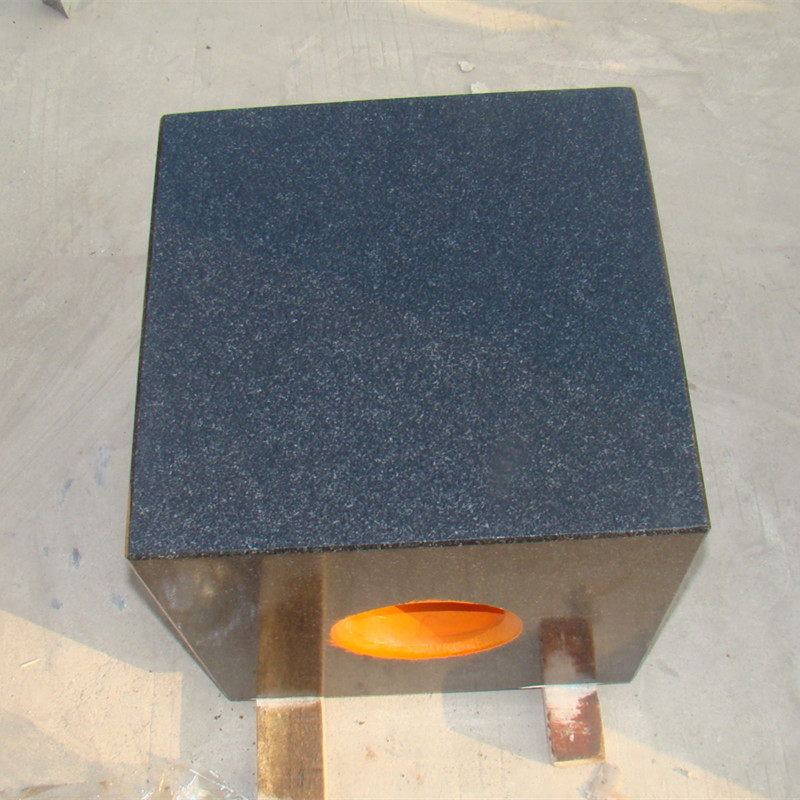
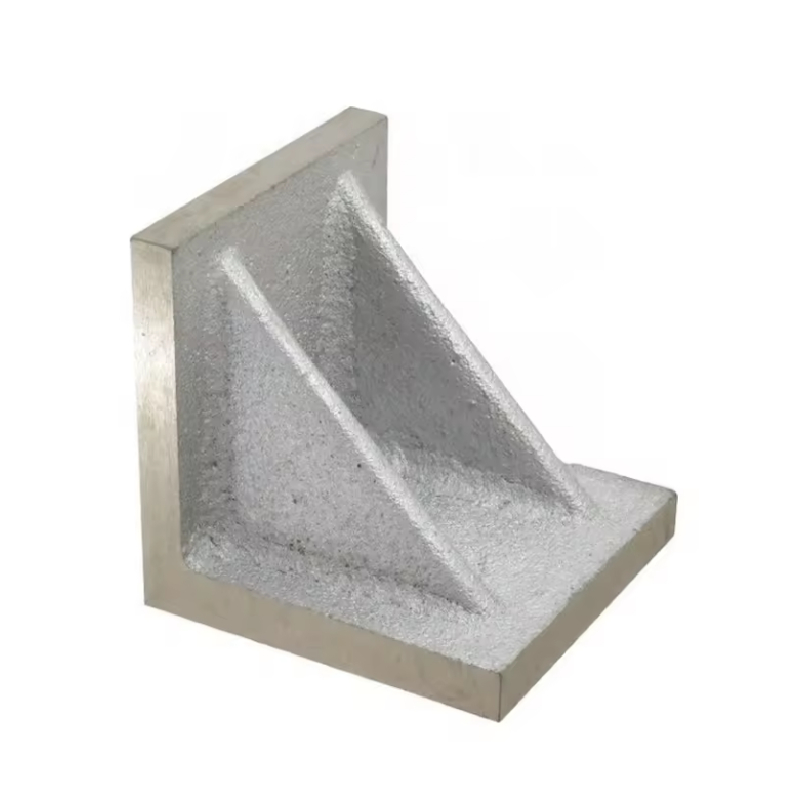
use of parallel ruler
The Use of Parallel Rulers An Essential Tool in Precision Measurement In various fields ranging from
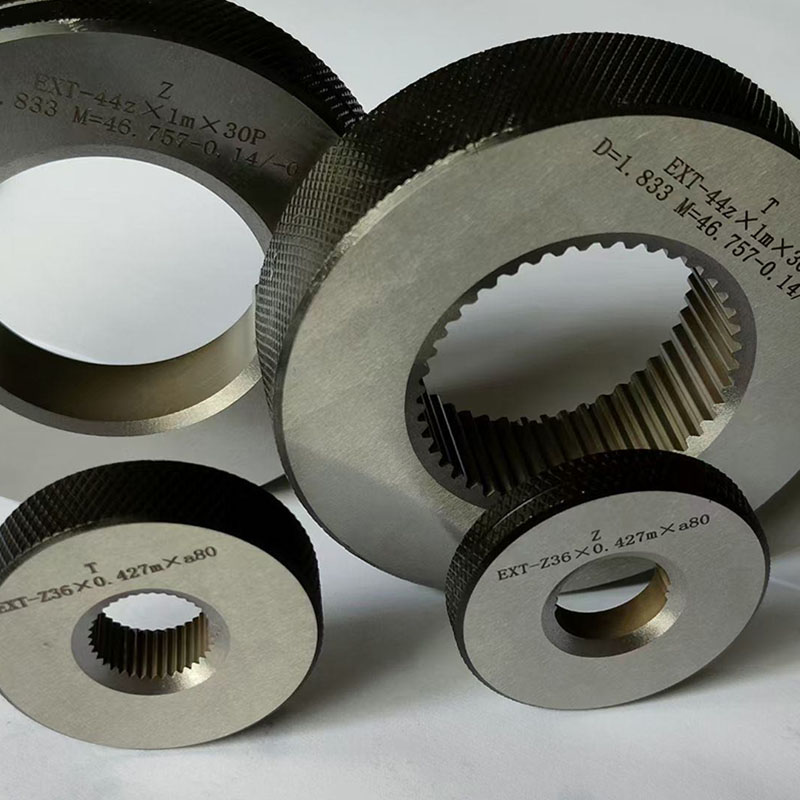
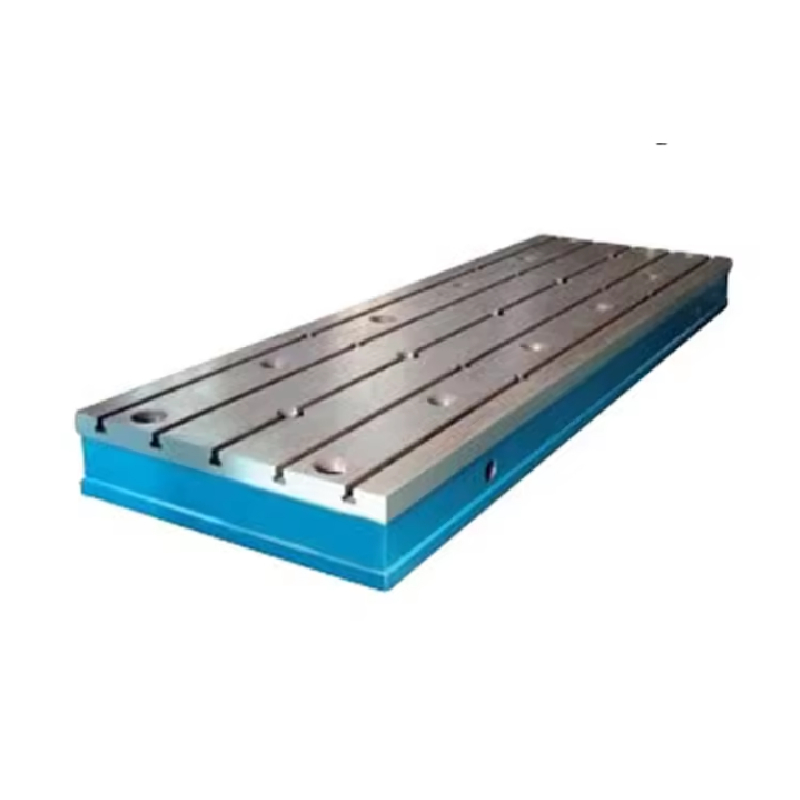
V Block--The Perfect Tool for Precision Machining
In the world of precision machining, having the right tools is essential for achieving accurate resu
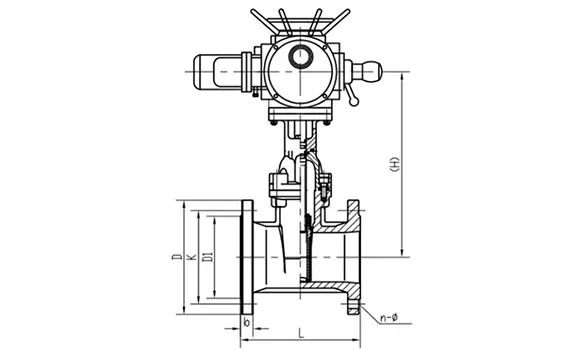
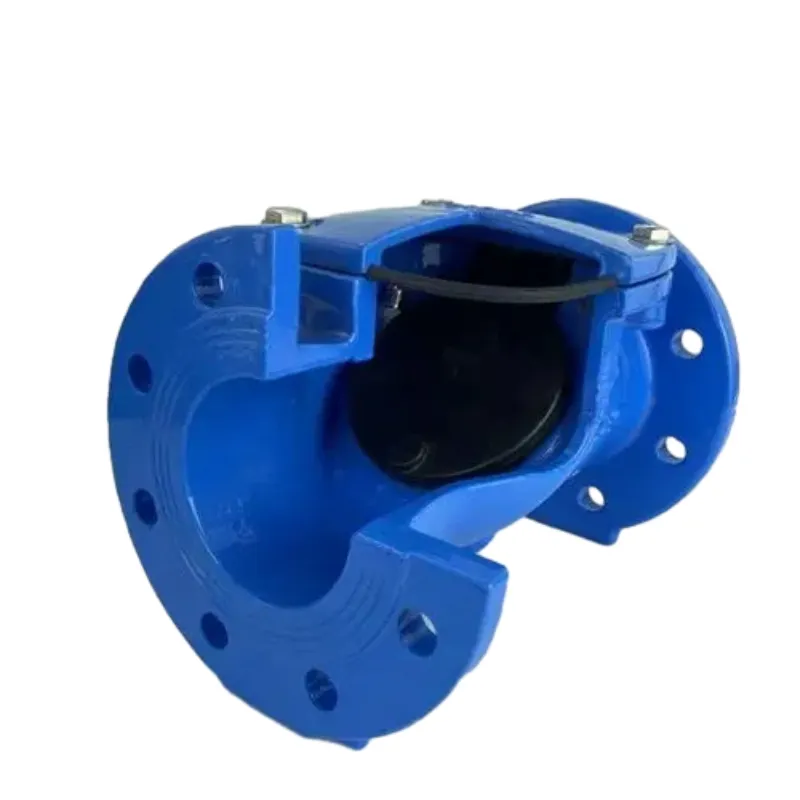
water line valve
Navigating Your Water Line Valve Needs An Expert Perspective For homeowners and industry professiona
 English